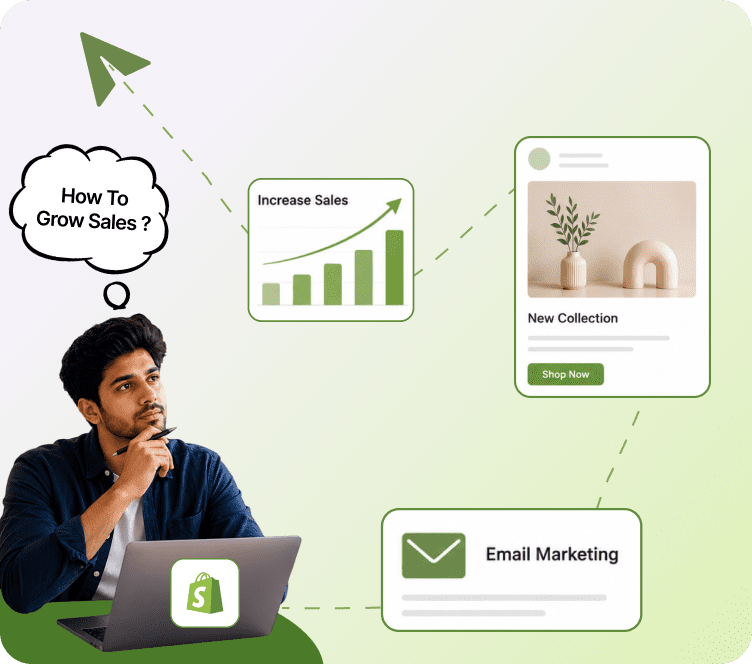
Customer segmentation is the practice of grouping subscribers into smaller sets based on shared traits, such as purchase history, location, engagement level, or product interest, so each group can receive more relevant email.
What Gets Lost in a Single Broadcast
What is customer segmentation correcting for is easy to see once it’s pointed out: a single broadcast sent to an entire list treats a first-time browser exactly the same as a ten-time repeat customer, even though those two people need almost nothing in common from the same email to actually feel relevant. Email list segmentation exists to split the list into groups that share enough in common to receive genuinely tailored messaging, rather than one message trying, and failing, to speak to everyone at once.
Where Segmentation Actually Pays Off
Segmentation examples that produce real results tend to group by:
- Purchase recency
- Total amount spent
- Product category interest
- Engagement level, separating highly active subscribers from those who’ve gone quiet
Each of these traits changes what message actually makes sense: a highly engaged recent buyer might get a new arrival announcement, while an inactive subscriber gets a win-back offer instead, since sending the same new arrival email to both wastes the opportunity for either group.
The Trap Most Stores Eventually Fall Into
How to segment email list effectively starts with restraint, which sounds counterintuitive given how much segmentation is generally recommended. A small number of segments tied directly to a clear business goal, separating repeat customers from first-time buyers, for instance, is far more manageable and actually gets used consistently than a system with dozens of overlapping micro-segments that looks sophisticated on paper but becomes too complex to maintain in practice. Segmentation stops adding value past the point where a marketer can no longer clearly explain what each segment is for and why it exists separately from the others.
Segments Decay if Nobody Refreshes Them
A segment built once and left alone slowly stops reflecting reality. A “highly engaged” segment defined by activity from six months ago will include subscribers who’ve since gone quiet, unless it’s rebuilt on a rolling basis rather than as a one-time snapshot. This matters most for behavior-based segments specifically, since customer behavior changes constantly while a static, one-time segment doesn’t. Recency-based segments, updated automatically on a rolling window rather than recalculated manually every so often, stay accurate without ongoing manual maintenance, which is part of why automated segmentation tends to outperform a spreadsheet-based approach recalculated only when someone remembers to do it.
Related terms:
For a full walkthrough of building a segmentation strategy step by step, see our guide on email marketing segmentation. Adflipr’s contact management tools organize customer data automatically and support segmentation by behavior and purchase history synced directly from Shopify or WooCommerce.
Frequently Asked Questions
Customer segmentation is dividing an email list into targeted subgroups based on shared characteristics like purchase history, engagement level, or interests.
The four primary types are behavioral (purchase/engagement data), demographic (age/gender), geographic (location/climate), and psychographic (values/lifestyle).
Segmented emails deliver relevant, tailored messaging, resulting in significantly higher open rates, increased conversions, and lower unsubscribe rates.