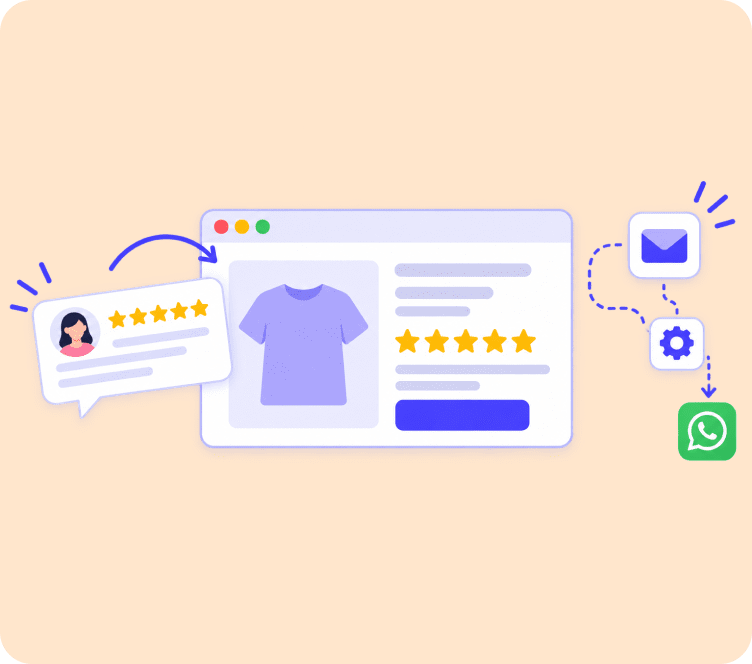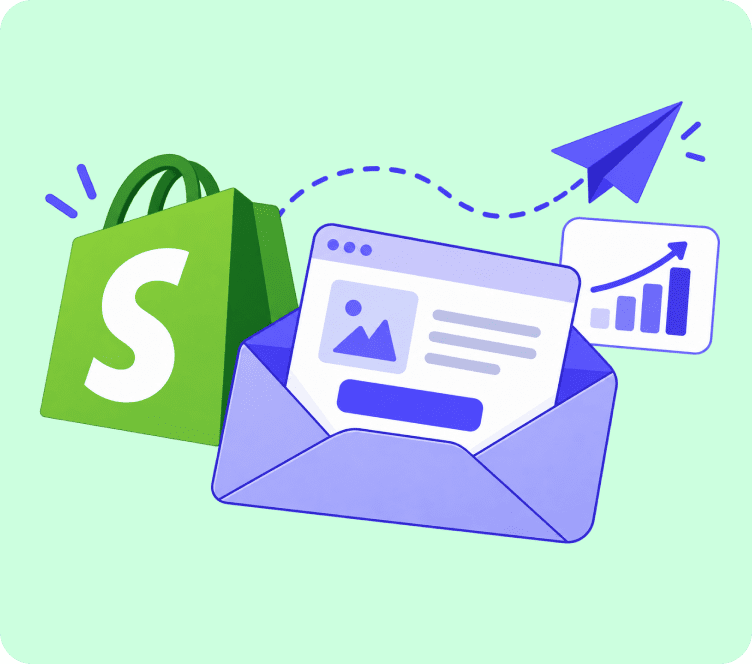
A DTC brand, short for direct-to-customer or direct-to-consumer, sells its products directly to shoppers through its own website rather than through traditional retail stores, distributors, or wholesalers.
Where the Model Came From
Before ecommerce platforms made it simple to spin up a store, reaching a customer without a retailer in between required serious infrastructure: a catalog operation, a call center, or a physical storefront. To understand what is DTC at its core, it helps to look at what changed to make it possible in the first place.
Direct to consumer marketing became a viable strategy for small and mid-sized brands only once tools like Shopify removed the technical barrier, letting a brand sell, ship, and communicate directly without needing shelf space or a distributor relationship first.
This shift is what turned DTC from a niche exception into a default starting point for new consumer brands.
Why the Model Leans So Heavily on Email
Skipping the retailer does more than change where a sale happens. It changes who owns the data about the person buying. A brand selling through a retail chain typically never learns the customer’s name, email, or purchase history, that information stays with the retailer.
A DTC brand has all of it, from the first visit onward, and that ownership is what makes DTC email marketing such a central part of the model rather than an optional add-on.
The Economics That Make This Matter Now
DTC ecommerce brands have spent the last several years navigating a steady rise in paid acquisition costs, as more brands compete for the same pool of attention on the same handful of ad platforms. A customer that once cost a few dollars to acquire through social ads can now cost many times that.
Email does not solve rising acquisition costs directly, but it does something arguably more valuable: it raises the return generated from every customer already acquired, through repeat purchase sequences, cross-sell emails, and loyalty communication that never requires paying a platform again to reach that same person.
This is the practical reason DTC brands, more than most other business types, tend to over-invest in retention infrastructure. Acquisition gets a customer once. Email is what determines whether that customer is worth acquiring in the first place.
Related terms:
Adflipr is built specifically for DTC brands on Shopify and WooCommerce, connecting directly to a store’s own customer and order data so every email is grounded in real purchase and browsing behavior.
Frequently Asked Questions
A DTC brand manufactures and sells products directly to end consumers through its own website, bypassing traditional retail wholesalers and distributors.
DTC brands own customer data directly; email maximizes retention and lifetime value, offsetting rising customer acquisition costs on paid ad platforms.
Welcome sequences, abandoned cart recovery, browse abandonment reminders, post-purchase onboarding, and automated replenishment flows are foundational for DTC growth.