A phone gets replaced every two or three years, but a gamer’s platform loyalty can last a full console generation or longer, sometimes a decade of staying firmly in one ecosystem. Someone who identifies as a PlayStation player is not a casual preference away from switching to Xbox, the way a customer might switch phone brands on a whim. That loyalty runs deep, and a gaming brand that ignores it, recommending Xbox accessories to a confirmed PlayStation household, breaks trust immediately.
Email marketing for gaming brands has to respect that platform loyalty as a core piece of identity, not just a filter. It also runs on a completely different hype calendar than streetwear’s surprise drops, since major releases are announced months, sometimes years, in advance, which changes how pre-order campaigns should actually be built. Below is how platform segmentation works, how long-lead-time hype gets sustained without going stale, and how patch notes and updates become a genuine engagement tool between releases.
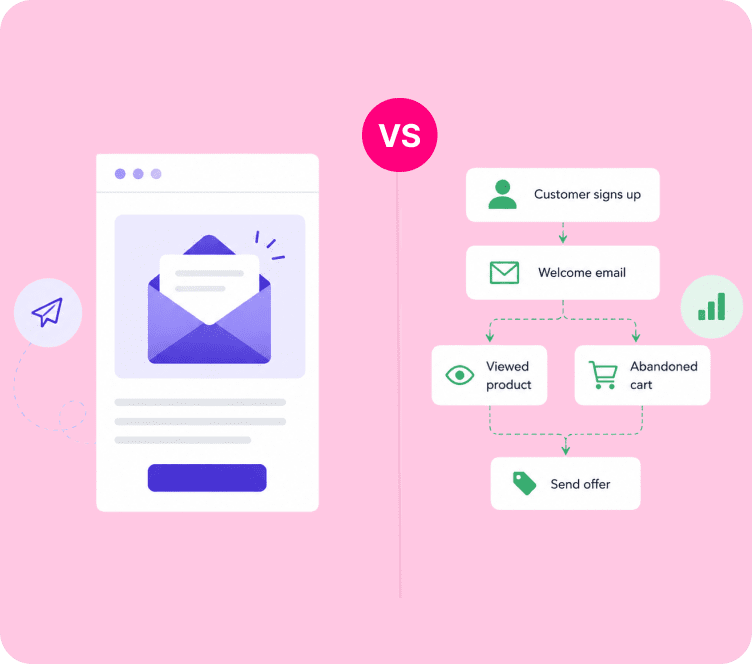
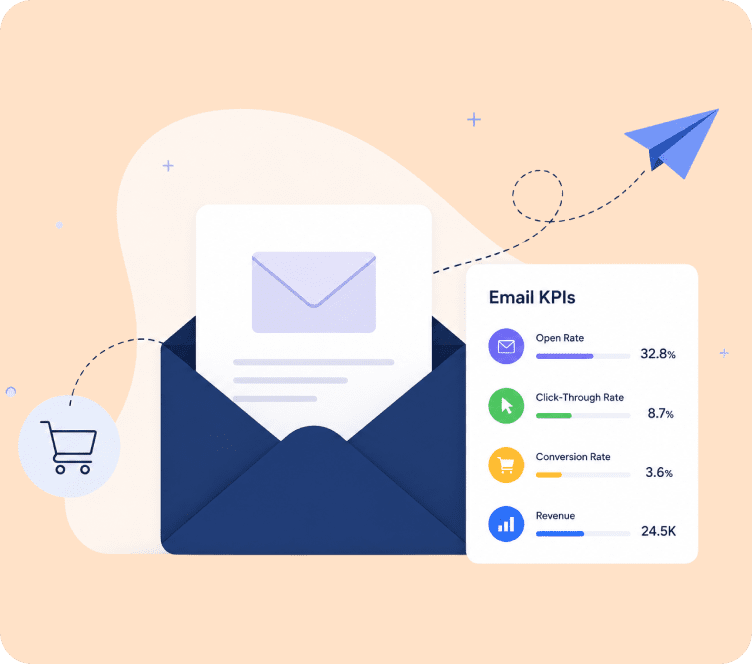
Platform loyalty runs deep, gamers often stay with one ecosystem for years.
Announcements come early, major releases are often revealed months before launch.
The gap between releases is real, long waits need ongoing engagement, not silence.
Community content has real pull, engaged gamers genuinely value patches and updates.
A Platform Isn't Just a Preference, It's an Identity
Recommending the wrong platform’s accessory to a gaming customer is not a minor mismatch the way an off-trend clothing suggestion might be. It signals the brand doesn’t actually know its own customer, and in a community where platform identity runs deep, that mistake costs more trust than it would in almost any other category.
Ecosystem loyalty is long-term
Multi-year, sometimes decade-long platform loyalty means the customer profile built today should still be accurate years from now, unlike a phone model that resets every couple of years.
Hype builds over months, not days
A major release announced far in advance needs a sustained campaign, not a burst, which is the opposite challenge of a surprise streetwear drop.
The quiet periods need content too
Long gaps between major releases are real, and a brand that goes silent during them loses relevance exactly when it should be building anticipation for what’s next.
Platform Segmentation Emails Respect an Identity, Not Just a Preference
Platform segmentation emails work by treating a customer’s confirmed gaming platform as close to sacred, since a wrong recommendation here reads as the brand not knowing its own audience.
Confirm it explicitly, don’t assume it. A direct question at signup, rather than guessing from browsing behavior alone, produces a far more reliable profile than inference, especially for a household that might own multiple platforms.
Never cross-recommend without a clear signal. Sending Xbox content to a confirmed PlayStation household, even occasionally, erodes trust in every future recommendation, since it signals the brand isn’t actually listening.
Allow for multi-platform households. Some customers genuinely own more than one system, and the segmentation should accommodate that instead of forcing a single, possibly wrong, assumption.
Pre-Order Hype Emails Have to Sustain Interest Over Months, Not Days
Unlike a surprise streetwear drop announced days before it happens, a major gaming release is often revealed months or years ahead of launch, and pre-order hype emails have to sustain genuine interest over that entire stretch without going stale or over-communicating.
Space out the reveals deliberately. Trailers, gameplay details, and pre-order bonus tiers released on a planned drip, rather than all at once, give a long campaign multiple real reasons to re-engage instead of one big moment followed by silence.
Make the pre-order bonus tiers genuinely clear. Long lead times mean customers forget details, so pre-order hype emails should re-state exactly what’s included at each tier close to the actual purchase decision, not just once at announcement.
Build toward launch day deliberately. A final stretch of emails in the days right before release, distinct in tone from the months of anticipation building before it, gives the campaign a real climax instead of a flat, unchanging drumbeat the whole way through.
Patch Note Emails Turn a Changelog Into Real Engagement
Patch note emails work because, unusually for this kind of content, an engaged gaming audience genuinely wants to know what changed, which most product categories simply don’t have as an available content type.
Summarize, don’t just paste the full changelog. A short, readable summary of what actually matters to most players, with a link to the full technical notes for those who want them, respects both the casual and the highly engaged reader.
Tie updates to renewed interest. A meaningful patch or new content drop is a legitimate reason to re-engage someone who has gone quiet, since it genuinely changes what’s available, unlike a generic “we miss you” email with nothing new to offer.
Use community reaction as a signal. Which updates generate the most engagement tells a brand what its audience actually cares about, and that signal should inform what gets highlighted in future communications.
How Adflipr Helps
| The job | Manually or with a generic email tool | With Adflipr |
|---|---|---|
| Platform segmentation | Generic recommendations with no confirmed platform data | Every suggestion filtered by a customer’s explicitly confirmed platform |
| Pre-order campaigns | A single announcement email with no sustained follow-up | A paced, multi-month sequence building toward a real launch-day climax |
| Between-release engagement | Silence during the long gaps between major launches | Patch note and update content keeping the relationship active |
| Re-engagement | A generic “we miss you” email with nothing new to offer | Update-driven re-engagement tied to genuinely new content |
|
Your monthly bill
|
Priced on total list size, dead addresses included
|
Active contact billing, so you pay for subscribers who engage
|
The WooCommerce integration is native and real-time, down to product variants. And the flows above are switched on, not built.
✓ Platform-based personalization
✓ Long-lead pre-order sequences
✓Patch note engagement flows
✓ Active contact billing
Frequently Asked Questions
By timing content around the real regional riding season, since many riders park their bike for the colder months in a way car owners never have to think about. Riding season emails that deliver storage guidance ahead of the off-season and reactivation content as riding season returns catch two genuine, recurring moments most brands miss entirely, and this is one of the clearest opportunities in motorcycle email marketing.
Over months, not days, since major releases are typically announced with far more lead time than a surprise product drop in other categories. Pre-order hype emails that space out trailers, gameplay reveals, and bonus tier details on a deliberate schedule, then build to a distinct final push right before launch, sustain genuine interest without exhausting the audience halfway through a long campaign.
Real updates and patch content, not silence. Patch note emails that summarize what actually matters to most players, rather than pasting a full technical changelog, give an engaged gaming audience genuine reason to stay connected during the long stretches between major launches, and they double as a natural, non-generic way to re-engage someone who has gone quiet.
A realistic goal for email marketing for gaming brands is meaningfully stronger pre-order conversion from a properly paced, months-long campaign, plus real engagement during the gaps between releases that a silent brand would otherwise lose entirely. Because platform loyalty runs so deep in this audience, the clearest long-term gain often comes from trust, correctly segmented, platform-respectful communication builds a relationship that lasts far longer than a single purchase cycle.