Email HTML Best Practices

Broken HTML can hurt deliverability and rendering. Here's what to get right, from image ratio to dark mode.

The coding and formatting choices that determine whether your email renders correctly, and whether it raises spam filter red flags along the way.

Why Email HTML Matters

Email marketing lives or dies on two things: does it reach the inbox, and does it look right once it’s there. Poor HTML affects both, since messy code can trip spam filters and broken rendering makes a good offer look unprofessional the second it opens.

What Good Email HTML Looks Like

Inline CSS, not a style tag, since many inboxes strip out embedded stylesheets


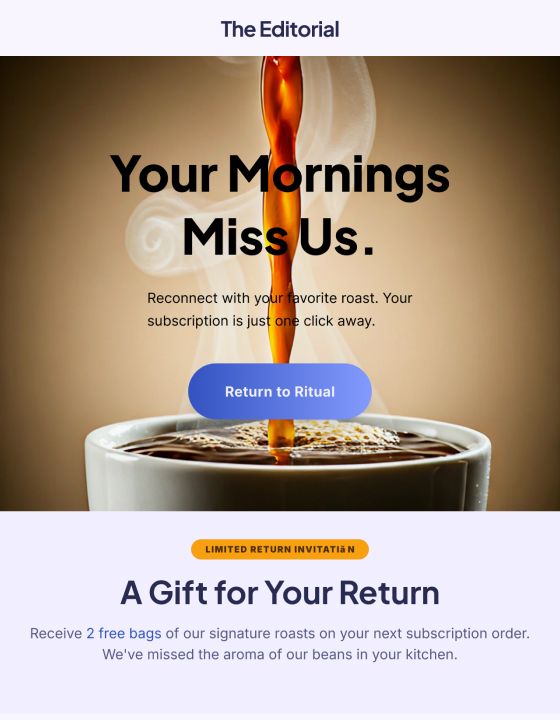
A balanced image-to-text ratio, an email that’s one giant image reads as suspicious to filters


Alt text on every image, so the email still makes sense if images don’t load


A single-column, table-based layout, still the most reliable structure across inboxes


A mobile-first width, generally 600 to 640 pixels, since most opens happen on mobile

Common Rendering Problems

ProblemLikely Cause
Email looks broken in Outlook
Missing table-based fallback layout
Images don’t load
Missing alt text and no text fallback
Layout breaks on mobile
Fixed-width without a mobile-responsive structure
Dark mode looks wrong
No dark mode-safe color choices in the CSS

How to Check Your Email HTML

1. Send a test to Gmail, Yahoo, and Outlook and review rendering in each


2. Check both light and dark mode manually


3. Run the email through a spam score tool, since heavy or broken HTML can affect scoring


4. Preview on both desktop and mobile before sending

How Adflipr Helps

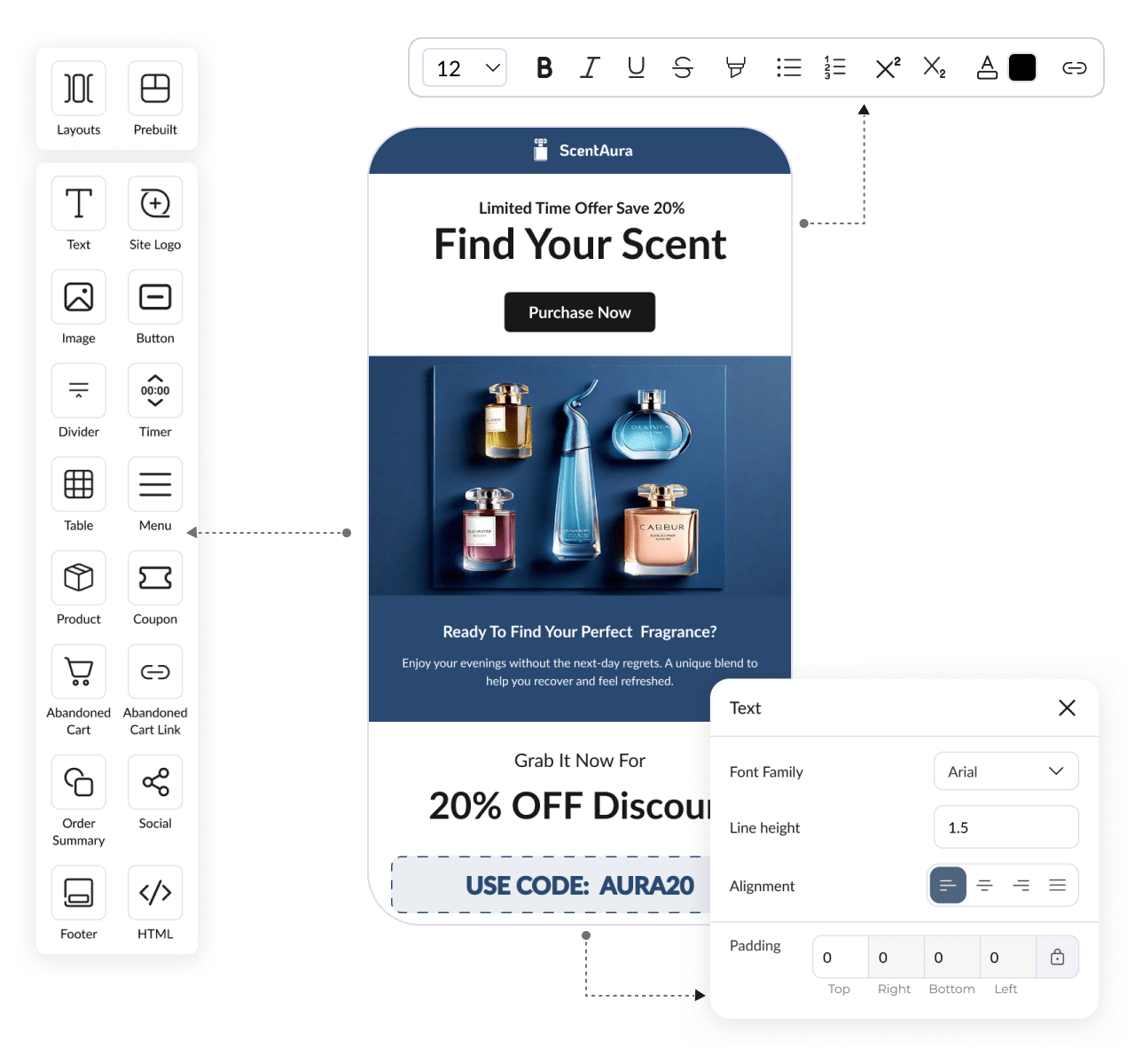
Adflipr’s email builder handles inline CSS and responsive structure automatically, so templates render consistently across major inboxes without needing to hand-code HTML or manually test every rendering edge case.

Best Practices

– Keep image-to-text ratio balanced rather than leaning on a single large graphic


– Always add alt text, both for accessibility and for when images fail to load


– Test across Gmail, Yahoo, and Outlook before every major campaign


– Design mobile-first, since most ecommerce opens happen on a phone

Common Mistakes

– Using a style tag instead of inline CSS, which many inboxes strip out


– Sending an email that’s basically just one large image with a link


– Skipping dark mode testing and shipping a template with unreadable text


– Not testing rendering before a big send, only discovering issues from customer complaints

Frequently Asked Questions

Different inboxes render HTML and CSS differently, Outlook in particular handles email code differently from Gmail or Apple Mail. A table-based layout with inline CSS is the most reliable way to avoid inconsistent rendering.

Inline CSS. Many inboxes, including Gmail in some cases, strip out embedded style tags entirely, which can leave your email unstyled. Inline styles are applied directly to each element and render consistently.

It can. Bloated or broken code adds risk signals that spam filters weigh alongside other factors like authentication and sender reputation. Clean, simple HTML reduces one more variable working against you.

There’s no strict number, but an email that’s almost entirely one large image reads as a spam pattern to filters. A healthy mix of real text alongside images is both safer and more accessible.

Ready to Grow Your Store?

Start using powerful email marketing automation to recover more sales, increase repeat purchases, and grow your revenue no credit card required.