Digital marketing is the umbrella term for any marketing conducted through online channels, including email, social media, search, and paid advertising, rather than traditional offline methods like print or television.
Ask five people what is digital marketing and most will answer with a list of channels rather than an explanation of how those channels relate to each other. The channels underneath that umbrella do not operate in isolation, even though they are often discussed as if they do.
A search ad brings someone to a product page. A social post builds awareness before they ever visit the site. An email brings them back after they leave without buying. Digital marketing, at its core, is less a list of channels and more a system where each one plays a different role at a different point in the customer’s decision.
How the Channels Divide the Work
Paid search and social ads are built for reach: putting a brand in front of people who have never heard of it. Content marketing, like blog posts or guides, plays a similar role but earns attention organically instead of buying it. Neither is designed to hold a relationship over time, they are built to introduce one.
Email marketing vs digital marketing as a whole is a slightly misleading framing, since email is not competing with these channels so much as catching what they generate. Once a visitor signs up, whether through a popup, a checkout flow, or a lead magnet, email becomes the channel responsible for turning that first contact into a repeat customer.
This is why digital marketing channels are best understood as a pipeline: paid and organic channels fill the top, and email carries weight through the middle and bottom.
Why Email Is Different From the Rest
Every other channel in this mix is rented. A social platform can change its algorithm overnight and cut a brand’s reach in half. A search platform can raise ad costs without warning. Email in digital marketing strategy stands apart because the list itself, not the delivery mechanism, belongs to the business.
That ownership is the practical reason email tends to produce a stronger return than channels that depend on someone else’s platform staying favorable.
This does not make email more important than the other channels, only structurally different. A digital marketing strategy that skips paid or organic acquisition has no way to fill the list in the first place. One that skips email has no way to keep what it already paid to acquire.
Related terms:
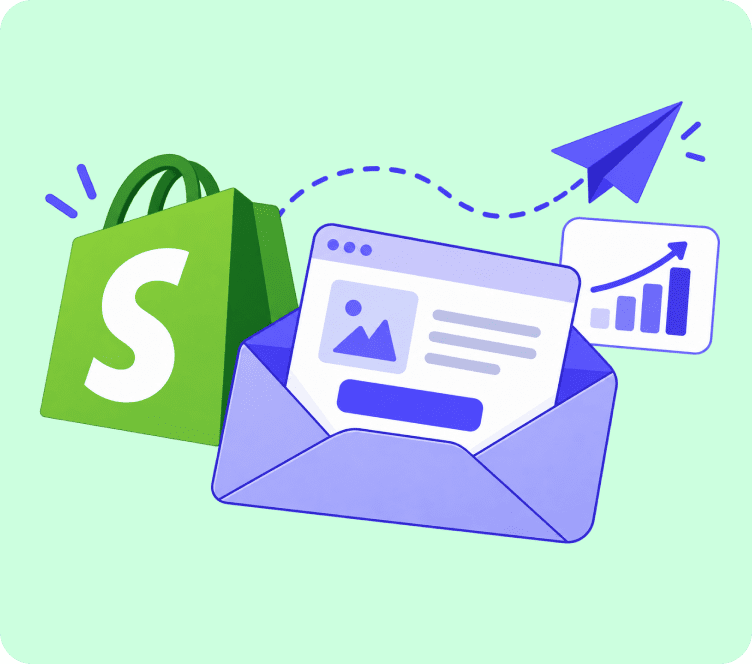
Adflipr focuses specifically on the email side of this system, connecting directly to Shopify and WooCommerce so every subscriber acquired through another channel becomes part of one ongoing relationship rather than a single transaction.
Frequently Asked Questions
Digital marketing encompasses all online promotional activities used to acquire, engage, and retain customers across search, social, paid ads, and email.
Email functions as the owned retention and conversion engine, converting traffic acquired via paid ads and organic channels into repeat customers.
Senders own their subscriber list and direct communication channel, free from third-party algorithm shifts and rising pay-per-click ad costs.