An email list is the collection of subscribers a store has explicit permission to email, built through signup forms, checkout opt-ins, and other consent-based collection points.
The One Marketing Asset a Store Fully Owns
What is an email list beyond a simple contact database is, practically speaking, the most durable marketing asset most stores have. A social media following can vanish overnight if an algorithm changes or an account gets suspended. A paid ad audience disappears the moment spending stops.
An email list stays under the store’s direct control regardless of what happens to any third-party platform, which is the core reason so much of email marketing strategy revolves around growing and protecting this specific asset.
Building One the Right Way
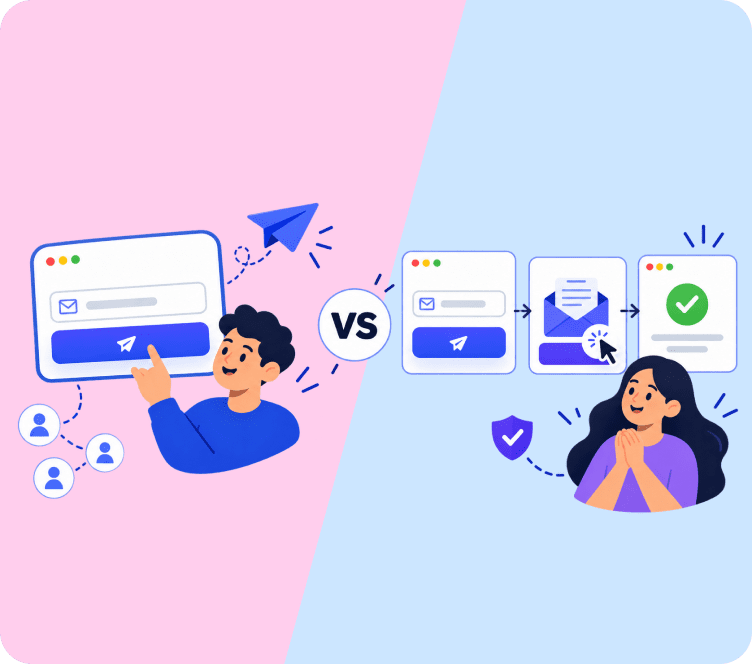
How to build an email list well starts with genuine value exchange rather than just asking, a discount for signing up, early access to sales, useful content, something that makes the trade feel fair to the visitor.
Email list growth tactics that ignore this exchange, aggressive popups with no real offer, purchased lists, tend to produce a list that looks impressive in size but performs poorly, since size alone says nothing about whether those contacts actually want to hear from the store.
Why Quality Beats a Bigger Number
Email list quality vs quantity is a genuine tradeoff worth understanding clearly. A smaller list of genuinely interested subscribers consistently outperforms a larger list padded with disengaged or low-intent contacts, both in raw engagement and in deliverability, since inbox providers actively track engagement as a reputation signal.
A list that looks strong on a growth chart but weak on open and click rates is often a list that grew the wrong way, prioritizing volume over the actual permission and interest that make an email list valuable in the first place.
The Slow Decay Every List Experiences
Even a well-built email list doesn’t stay static, addresses go stale, interests shift, and a portion of any list naturally becomes less engaged over time regardless of how it was originally built. This is a normal part of list lifecycle, not a sign something went wrong, but it does mean list health requires ongoing attention rather than a one-time growth push followed by years of neglect.
Periodically reviewing engagement trends, removing genuinely inactive contacts, and continuing to grow the list with the same quality standard used originally keeps a list’s actual value from quietly eroding even as its raw size stays the same or grows.
Related terms:
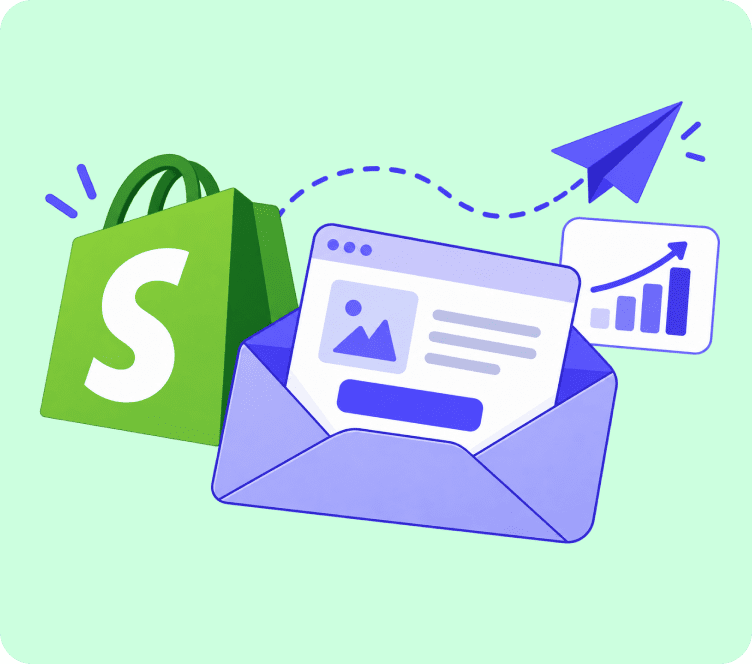
Adflipr’s popup and embedded forms help stores grow an email list through genuine, permission-based signups synced directly to a store’s contact database.
Frequently Asked Questions
An email list is a database of contacts who have explicitly opted in to receive commercial email communications from a business.
A smaller, engaged list delivers higher deliverability, better click rates, and more revenue than a large list filled with inactive addresses.
Purchased lists lack consent, generate severe spam complaints, violate privacy laws like GDPR, and destroy your sending domain’s deliverability reputation.